
North American scrap metal prices showed a strong upward trend in early June 2026, with several major non-ferrous metal categories moving higher. copper, aluminum, stainless steel, brass and bronze scrap all recorded gains, while most steel scrap categories remained relatively stable.
For recycling companies, scrap yards, ASR processors and metal recovery plants, this price movement is more than a short-term market update. When non-ferrous metal prices rise, the value of every recovered pound increases. This makes efficient metal separation, especially non-ferrous metal recovery, more important for daily operation and long-term profitability.
Non-Ferrous Metals Lead the Price Increase
The strongest market movement came from non-ferrous scrap metals. copper scrap showed broad gains across several grades, including copper wire, tubing and bare bright copper. aluminum scrap also moved higher, with aluminum/copper radiators showing particularly strong growth. Stainless steel, brass and bronze scrap prices also increased across multiple grades.
These materials are highly important in modern recycling operations because they often carry higher value than ordinary ferrous scrap. Even a small percentage of copper, aluminum, brass or stainless steel in mixed material streams can create significant revenue if it is properly recovered and upgraded.
Common high-value non-ferrous materials include:
- Copper wire and copper tubing
- Bare bright copper
- Aluminum radiators and aluminum/copper radiators
- Aluminum wheels, profiles and mixed aluminum scrap
- Brass fittings and bronze scrap
- Stainless steel scrap
- Zorba and mixed non-ferrous metals
- Non-ferrous metals from auto shredder residue
Why Rising Scrap Prices Matter to Recycling Plants
When scrap metal prices increase, poor separation becomes more costly. Valuable metals that remain in residue, mixed plastics, low-grade scrap or ASR tailings may be sold below their real value or lost completely.
For recycling plants, this means that recovery efficiency has a direct impact on profit. A higher recovery rate allows operators to capture more valuable metals from each ton of material. Better purity also helps improve the resale value of recovered products.
An optimized metal separation system can help recycling companies:
- Recover more copper, aluminum, brass and stainless steel
- Reduce metal loss in residue and tailings
- Improve the purity of recovered non-ferrous metals
- Upgrade mixed material into higher-value products
- Reduce contamination before final sales
- Improve profit margins during strong scrap price cycles
EDDY CURRENT SEPARATOR: Key Equipment for Non-Ferrous Metal Recovery
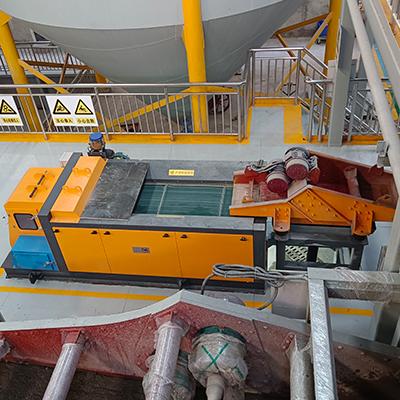
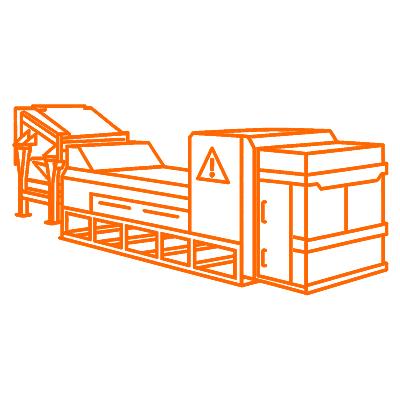
An EDDY CURRENT SEPARATOR is one of the most important machines for recovering non-ferrous metals from mixed waste and scrap streams. It is widely used to separate aluminum, copper, brass and other conductive non-ferrous metals from non-metallic materials.
Typical applications include:
- Auto shredder residue processing
- Municipal solid waste recycling
- Aluminum can recovery
- Mixed non-ferrous scrap upgrading
- Plastic recycling with metal contamination
- Electronic waste recycling
- Cable recycling
- Waste sorting and resource recovery plants
As copper and aluminum values rise, the return on investment of an eddy current separator becomes more attractive. Better recovery means more saleable metal, less waste and stronger overall plant performance.
For fine materials, the design of the eddy current separator becomes even more critical. Factors such as rotor speed, MAGNETic pole structure, belt speed, feeding uniformity and particle size control can all affect separation performance. In ASR and mixed residue applications, smaller non-ferrous particles are often difficult to recover without a well-designed separation system.
MAGNETic Separation Remains Essential
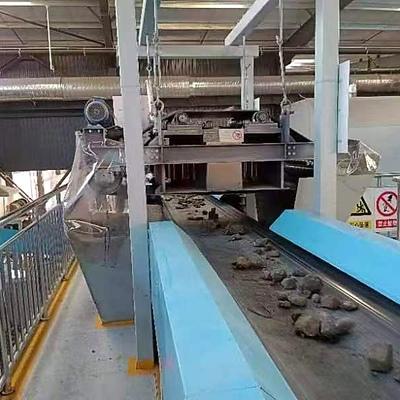
Although steel scrap prices remained more stable, magnetic separation still plays a key role in most recycling lines. Before non-ferrous recovery, ferrous metals usually need to be removed first. This protects downstream equipment and improves the performance of the eddy current separator.
Common magnetic separation equipment includes:
- Overband MAGNETIC SEPARATORs
- Magnetic drums
- Magnetic pulleys
- Suspension magnets
- High-intensity MAGNETIC SEPARATORs
By removing iron and steel before non-ferrous separation, recycling plants can reduce contamination and improve the quality of aluminum, copper, brass and stainless steel fractions.
Higher Prices Create a Stronger Case for Process Optimization
The recent rise in North American scrap metal prices sends a clear message to the recycling industry: plants with better separation efficiency are in a stronger position.
When metal prices are high, every missed piece of valuable metal represents a greater financial loss. This is especially true for facilities processing complex materials such as ASR, mixed plastics, shredded scrap, aluminum-rich waste and mixed non-ferrous streams.
Recycling operators should review three key areas:
1. Recovery Rate
How much valuable non-ferrous metal is still being lost in tailings or residue?
2. Product Purity
Can the recovered metal fraction be upgraded and sold at a better price?
3. Fine Material Separation
Can the current system recover smaller copper, aluminum and brass particles effectively?
If the answer is unclear, the plant may be leaving significant value behind.
Turning Market Growth Into Real Profit
Scrap metal prices will always fluctuate, but efficient separation technology helps recycling companies stay competitive in both rising and falling markets. When prices rise, better recovery increases revenue. When prices fall, cleaner products and lower material loss help protect margins.
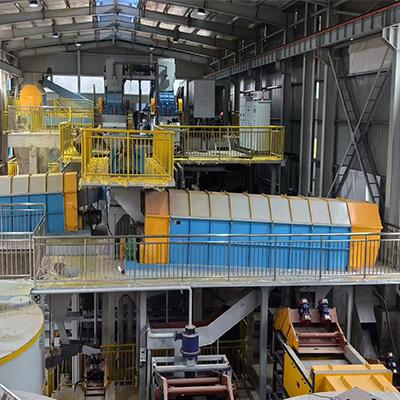
A complete recycling solution may include feeding equipment, screening, magnetic separation, eddy current separation, air separation and manual quality control. The best system design should be based on the actual material condition, including particle size, moisture, contamination level, metal content and final product requirements.
Conclusion
The rise in North American scrap metal prices highlights the growing importance of efficient non-ferrous metal recovery. Copper, aluminum, stainless steel, brass and bronze are all valuable materials that can significantly improve the profitability of recycling operations.
For scrap yards, ASR processors, waste recycling plants and metal recovery companies, investing in the right eddy current separator, magnetic separator and complete sorting system can help capture more value from every ton of material.
As non-ferrous metal prices move higher, advanced separation technology is not just an equipment upgrade. It is a practical way to improve recovery, product quality and long-term competitiveness.
